More than 200 types of cancer affect South Africans today, according to the 2025 statistics by the Cancer Association of South Africa (CANSA). Breast cancer remains the most common cancer among women and the second most prevalent overall among these numbers. Despite these sobering numbers, many women delay their breast cancer screening appointments, mainly due to fear, misconceptions, or uncertainty about the process. Unfortunately, procrastination can mean missing the pivotal window for early detection.
Experts at Mediclinic remind us that early breast cancer screening offers numerous benefits: higher survival rates, more effective treatment options, better preservation of breast tissue, and an overall improved quality of life.
This guide aims to simplify the screening journey. We’ll cover:
- What breast cancer screening involves
- When to start routine mammogram screening
- The difference between a breast exam and a breast inspection
- How to prepare for your first appointment
- Why Mammography Inc. (Mami) is your trusted partner in breast health
You’ll feel more equipped, more empowered, and hopefully, less anxious about taking this life-saving step by the end of this post.
Why Breast Cancer Screening Matters
Breast cancer screening in South Africa may be a medical procedure, but it’s also a proactive health strategy. The primary goal is timely discovery, which dramatically changes outcomes.
Studies show that when detected at an early, localised stage, the 5-year survival rate for breast cancer can be as high as 80% or more. Conversely, when found late, these probabilities drop drastically. Regular mammogram screening identifies changes in breast tissue long before they can be felt during a physical exam, giving doctors the best chance to intervene successfully.
Beyond survival statistics, early screening helps:
- Preserve natural breast tissue
- Lower the need for aggressive treatments such as mastectomy or chemotherapy
- Minimise emotional and physical strain
- Improve recovery times and prolong life
What Is Breast Cancer Screening?
Breast cancer screening consists of a few main approaches:
Mammogram Screening
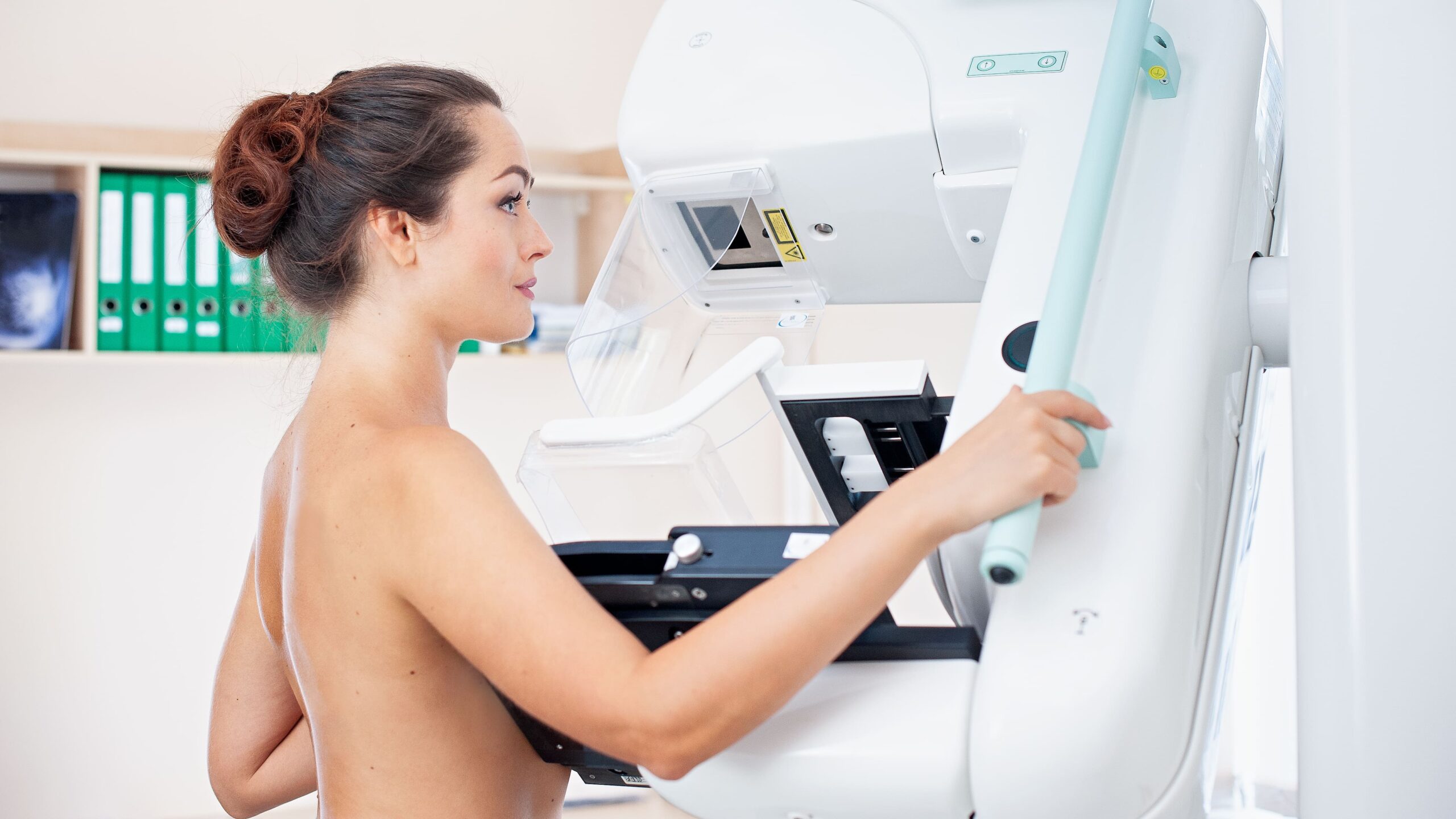
A mammogram is a specialised X-ray of the breast. It identifies tiny calcifications, tissue distortions, or masses that cannot yet be felt by touch. Mammography remains the pinnacle for early detection.
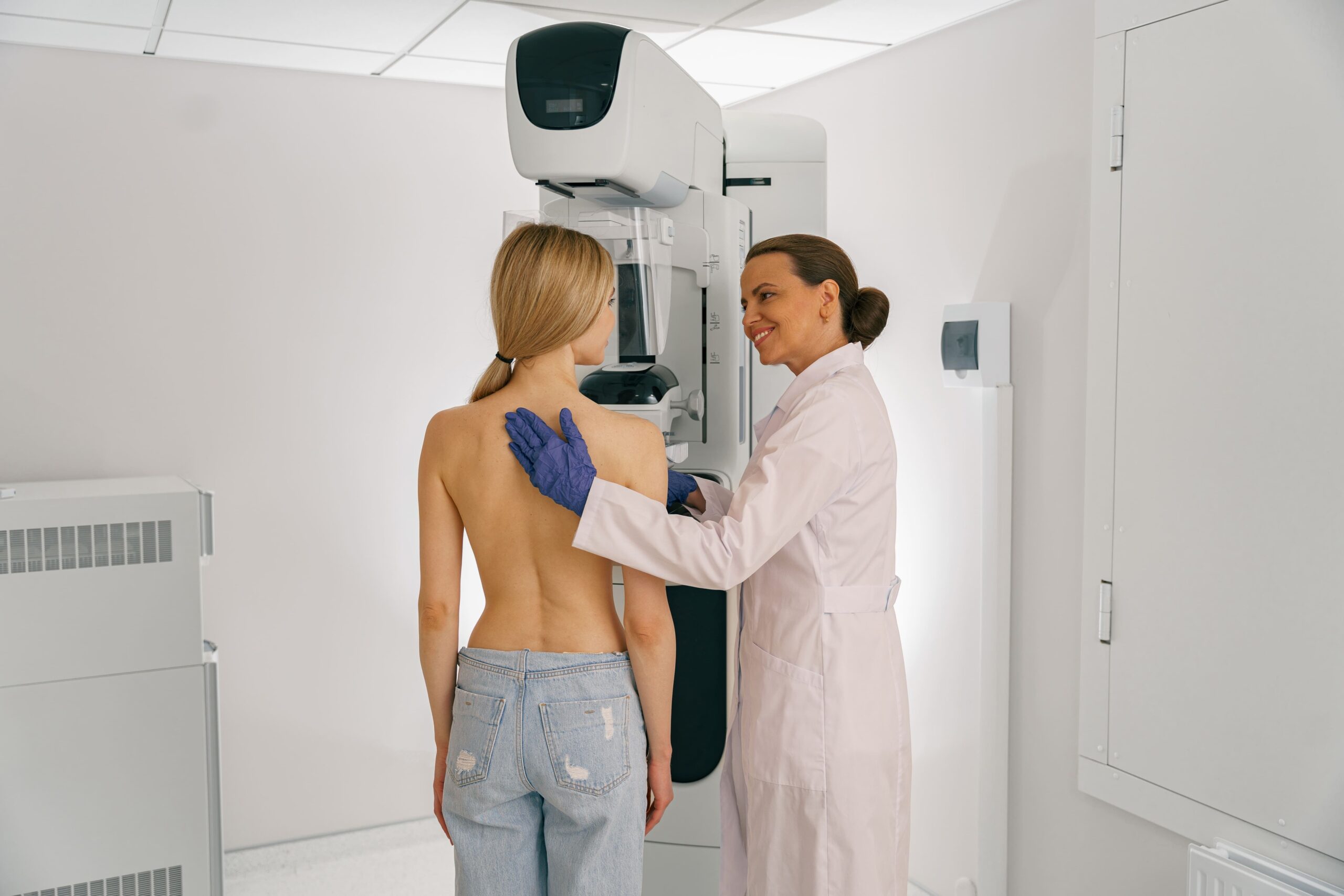
Many clinics (like Mami) now offer 3D mammography (tomosynthesis), which provides more detailed images than 2D mammograms, specifically for women with dense breast tissue. Each breast is gently compressed between two plates to capture clear images during the procedure. The process is quick, usually less than 20 minutes.
Breast Exam
A healthcare provider performs a clinical breast exam. This involves a careful physical examination of the breasts and underarm area to detect lumps, skin changes, or nipple discharge.
Self-Breast Inspection
While not a substitute for a mammogram, a breast inspection at home (self-exam) is still an important tool for awareness. Women are encouraged to become familiar with the look and feel of their breasts so that any changes can be reported to a doctor swiftly.
When Should You Start Breast Cancer Screening?
Guidelines vary slightly depending on your health profile, but the following are widely accepted breast cancer screening recommendations:
- Ages 20–39: Perform monthly self-exams and have a clinical breast exam every 1–3 years.
- Ages 40 and older: Annual mammogram screening is advised, particularly if you have risk factors.
- High-risk women (family history, BRCA gene mutation, prior chest radiation): You may need to start screening earlier (as young as 30), and more frequent monitoring may be necessary.
Remember, these are guidelines and not strict rules. Your radiologist or doctor can personalise a screening plan for your unique risk profile.
Preparing for Your Mammogram Screening
The first mammogram brings anxiety for many women. Knowing what to expect can ease that stress. Remember to schedule your appointment wisely. Try to make a booking about a week after your period, when your breasts are less tender. Also, avoid lotions and deodorants on the day of your appointment. Skip powders, perfumes, and deodorants, as they can appear as spots on the X-ray. In addition, dress comfortably. A two-piece outfit makes it easier since you’ll need to remove your top. Lastly, communicate your concerns with your physician. Let your radiology team know if you’re nervous or have specific discomfort; they’re trained to help you feel at ease.
Understanding the Results
Your radiologist will interpret the images and provide a report after your mammogram screening. Results generally fall into categories such as:
- Normal: No signs of cancer; continue routine screenings.
- Benign findings: Non-cancerous changes like cysts or fibroadenomas.
- Suspicious abnormalities: Additional tests (ultrasound, MRI, or biopsy) may be recommended.
It’s important to note that not all abnormalities are cancerous. In fact, most are not. Breast screening is about ruling out concerns early.
Addressing Common Fears and Myths
“Mammograms are painful.”
Discomfort varies, but most women describe it as brief pressure, not pain. Modern machines are designed for patient comfort.
“I don’t have symptoms, so I don’t need a mammogram.”
Most early-stage breast cancers present with no symptoms. That’s exactly why mammogram screening is vital.
“Breast cancer doesn’t run in my family, so I’m safe.”
Up to 70% of women diagnosed have no family history of the disease. Screening is essential for all women.
“Radiation from mammograms is dangerous.”
The dose of radiation from a mammogram is extremely low, comparable to a few months of natural background radiation. The benefits far outweigh the risks.
Why Choose Mami for Your Breast Health
At Mami, we emphasise compassion, expertise, and leading technology. Our radiologists specialise in women’s imaging, offering both mammogram screening and complementary services such as breast ultrasound and guided biopsy when needed.
We believe in a few key elements, including optimum patient-centered care. Every patient receives personal attention and clear communication. Advanced imaging is another one of our top tenets. We offer 3D mammography and digital imaging for the most accurate results. Lastly, we make holistic support of our patients our mission, with guidance from screening to diagnosis and, if needed, treatment pathways.
Our mission is to make the experience as comfortable and empowering as possible, whether it’s your first breast exam or a routine check-up for breast cancer.
Frequently Asked Questions About Breast Cancer Screening
How often should I get a mammogram?
Annual mammogram screening is recommended for women aged 40 and older. Your doctor may suggest starting earlier and screening more frequently if you have above-average risk (family history, genetic mutations, or previous chest radiation).
What happens if my mammogram results are abnormal?
An abnormal result does not necessarily mean you have cancer. Many findings turn out to be non-cancerous. Your radiologist may recommend additional imaging, such as an ultrasound or MRI, or a breast exam and biopsy to clarify the results.
Does medical aid cover breast cancer screening in South Africa?
Most medical aids in South Africa cover check-ups for breast cancer as part of preventive healthcare benefits, especially for women over 40. It’s best to confirm with your specific provider.
Can men get breast cancer?
Yes, although rare, men can also develop breast cancer. Men should seek medical advice if they notice lumps, nipple discharge, or skin changes on the chest.
Do I still need a mammogram if I perform regular self-breast inspections?
Yes. Breast inspection at home is valuable for awareness, but it cannot replace mammography. A mammogram screening can detect tiny changes long before they can be felt.
At what age should I start self-breast inspections?
Women should learn how to check-up for breast cancer and begin regular self-breast inspections in their 20s to become familiar with how their breasts normally look and feel. Any unusual changes should be reported to a healthcare professional.
What can I do to lower my risk of breast cancer?
While not all cases can be prevented, adopting healthy habits, such as regular exercise, maintaining a healthy weight, limiting alcohol, and avoiding smoking, can reduce risk. Regular breast cancer screening remains the most effective way to catch it early.
Conclusion
There is no need for breast cancer screening to be complicated. With the right information, preparation, and care team, it becomes a powerful tool for protecting your health. Regular mammogram screening, supported by self-awareness and professional breast exams, dramatically improves survival rates and assures better treatment outcomes.At Mami, we’re here to guide you every step of the way, helping you overcome fear, embrace proactive care, and prioritise your long-term health. Don’t wait – contact us today to get started.